Rebuilding Confidence After Skin Cancer Treatment

A skin cancer diagnosis can feel overwhelming, and many patients worry not only about treatment but also about how they will look afterward. Facial reconstruction is about more than repair—it’s about helping you feel whole again. At Berman Plastic Surgery & Spa, reconstruction is performed with both precision and artistry to restore natural appearance while preserving facial function.

Facial Skin Cancer Reconstruction Overview

About Facial Skin Cancer Reconstruction

Facial skin cancer reconstruction is a specialized procedure performed after the removal of cancerous tissue, often following Mohs surgery. The goal is to repair the treated area in a way that restores both appearance and function, while minimizing visible scarring. This type of reconstruction can address:

  • Tissue loss after skin cancer removal
  • Visible facial scarring or contour irregularities
  • Changes to facial symmetry or structure
  • Functional concerns involving the nose, lips, or eyelids
  • Skin defects requiring grafts or local tissue movement
  • Emotional concerns related to post-treatment appearance

Banner media
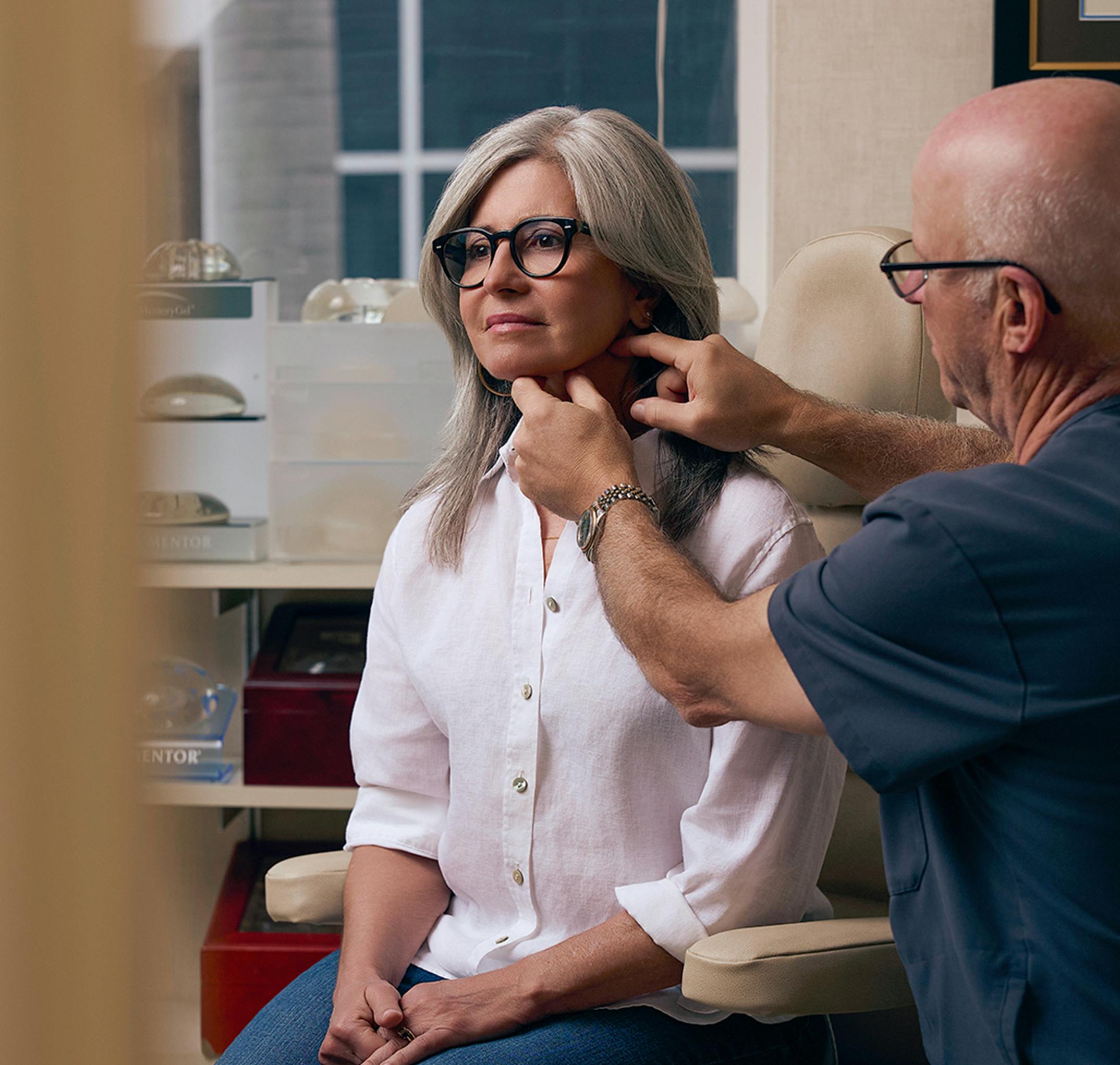
doctor examining a patient's neck

The Benefits of Expert Reconstruction

Facial reconstruction offers both physical and emotional benefits following cancer treatment.

  • Restores natural facial contours and proportions
  • Minimizes the appearance of surgical scars
  • Preserves or improves facial function
  • Utilizes advanced techniques tailored to each patient
  • Supports emotional recovery and confidence
  • Provides long-term, stable results

Schedule A Consultation

Contact Us
Background media

Who Is a Candidate for Facial Reconstruction?

Facial skin cancer reconstruction is recommended for patients who have undergone or are planning to undergo removal of skin cancer and want to restore the appearance of the affected area. Many patients seek reconstruction to minimize visible changes and improve how the area heals.

Candidates include individuals with small or large defects following excision, as well as those concerned about scarring or facial symmetry. Each case is unique, and the best approach is determined through a detailed consultation and evaluation of your specific needs.

palm leaves

What to Expect During Your Reconstruction Procedure

Comprehensive Evaluation and Planning

Dr. Berman assesses the surgical site, skin quality, and facial anatomy to determine the most effective reconstruction approach.

Selection of the Appropriate Technique

Depending on the size and location of the defect, techniques may include direct closure, local tissue rearrangement (flaps), or skin grafting.

Precise Reconstruction of Facial Structures

Tissue is carefully repositioned or transferred to restore both appearance and function, with close attention to natural contours and symmetry.

Closure and Refinement

The area is meticulously closed to support optimal healing and minimize scarring, with techniques chosen to blend seamlessly with surrounding tissue.

Background media

Healing and Care Following Your Procedure

Recovery will vary depending on the extent of reconstruction, but most patients can expect mild to moderate swelling, bruising, and tenderness in the treated area. Bandaging or protective dressings may be applied initially to support healing.

Patients are given detailed aftercare instructions, including how to keep the area clean and protected. Follow-up visits allow Dr. Berman to monitor healing and ensure the best possible outcome. Most patients gradually return to normal activities as healing progresses.

Why Choose Berman Plastic Surgery & Spa?

Facial reconstruction requires a unique combination of surgical expertise and aesthetic judgment. Dr. Jonathan Berman is double board-certified in both plastic surgery and otolaryngology/head and neck surgery, bringing decades of experience in facial anatomy and reconstruction.

At Berman Plastic Surgery & Spa, every case is approached individually. Dr. Berman carefully evaluates the size, location, and complexity of the defect to create a personalized plan. His goal is always to restore a natural appearance—helping patients feel comfortable, confident, and like themselves again.

Learn More About Dr. Berman

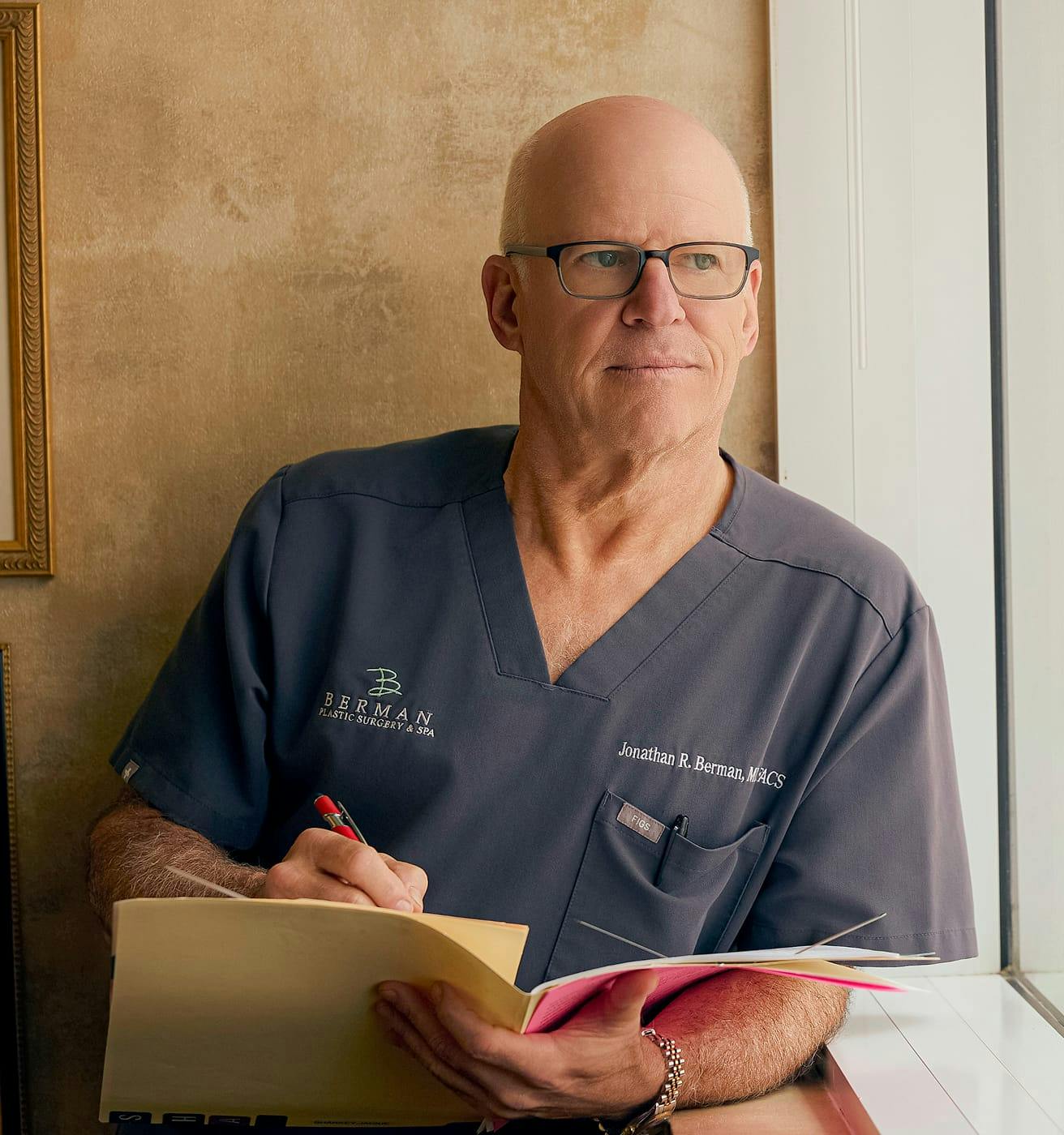
Doctor background

Results After Skin Cancer Reconstruction

As healing continues, the reconstructed area softens and blends more naturally with surrounding tissue. While some initial redness or firmness is expected, these effects typically improve over time.

The goal of facial skin cancer reconstruction is to make the repair as inconspicuous as possible while maintaining normal facial function. With proper care, patients often achieve results that restore both confidence and a sense of normalcy.

Facial Skin Cancer Reconstruction Frequently Asked Questions

Will there be visible scarring after reconstruction?

All surgery involves some scarring, but techniques are carefully chosen to minimize visibility and blend the repair with natural facial contours.

What techniques are used for reconstruction?

Depending on the case, reconstruction may involve direct closure, local flaps, or skin grafts to restore both form and function.

How soon after cancer removal is reconstruction performed?

In many cases, reconstruction is performed immediately after the cancer is removed, particularly following Mohs surgery.

Is the procedure painful?

Most patients experience mild discomfort, which can be managed with medication and typically improves within a few days.

Will my face look the same as before?

The goal is to restore a natural appearance as closely as possible. While every case is unique, most patients achieve results that look balanced and harmonious.

Schedule a Consultation

Begin your personalized consultation with Dr. Berman and explore refined, natural-looking aesthetic possibilities today.

Contact Us
Accessibility: If you are vision-impaired or have some other impairment covered by the Americans with Disabilities Act or a similar law, and you wish to discuss potential accommodations related to using this website, please contact our Accessibility Manager at (561) 417-0171.
Contact Us